Choose the Right Turnkey PCB Assembly, Save Half the Effort in Electronic Production! A Complete Guide from Selection to Implementation
Friends engaged in electronic R&D or production have probably stepped on these pitfalls: for a single product, you have to coordinate with PCB manufacturers, component suppliers, and assembly factories simultaneously—if one link has problems, the entire process gets stuck; during small-batch trial production, it's either hard to find a factory willing to take the order, or the delivery cycle is delayed until you miss the market window; after finally putting together the supply chain, batch rework and cost doubling occur due to incompatibility between PCB processes and assembly...
In fact, all these pain points can be solved by one service—
Turnkey PCB Assembly. This article will thoroughly explain turnkey PCB assembly from basic popularization, core value, selection pitfalls to cooperation implementation, helping you quickly find a worry-free and reliable solution.
I. Understand at a Glance: What is Turnkey PCB Assembly?
Simply put, Turnkey PCB Assembly is a "one-stop full-service" PCB assembly solution. Starting from the design documents you provide (BOM list, Gerber files), the service provider takes over the entire process, responsible for custom PCB manufacturing, component procurement, SMT/DIP assembly, full-function testing, and finally delivering the finished products directly to you. You don't need to coordinate with any third parties throughout the process, truly achieving "hands-off" production.
1. Detailed Breakdown of the Turnkey Assembly Process, Easy to Understand for Beginners
The core of a complete turnkey service is "full-process collaboration," where each link is interlocking to avoid disconnection:
Preparatory Stage: The service provider first reviews your BOM list and Gerber files, conducting DFM (Design for Manufacturability) and DFA (Design for Assembly) analysis. For example, they help identify issues such as "too narrow line spacing causing assembly difficulties" and "incompatible component selection," optimizing the design in advance to avoid risks from the source.
Core Execution Stage: This is the core of turnkey services, including three key links. First,
custom PCB manufacturing: producing PCB boards tailored to your needs, whether it's conventional FR4 substrates or special requirements such as high Tg and thick copper. Second, component procurement: the service provider sources components through official or authorized distributors to ensure genuine products; in case of material shortages, they also provide compliant alternative solutions to avoid delaying the schedule. Third, assembly processing: covering hybrid processes such as SMT placement (supporting 01005 ultra-small packages, BGA and other precision components), DIP insertion, and manual soldering (special-shaped components, high-power devices) for precise assembly.
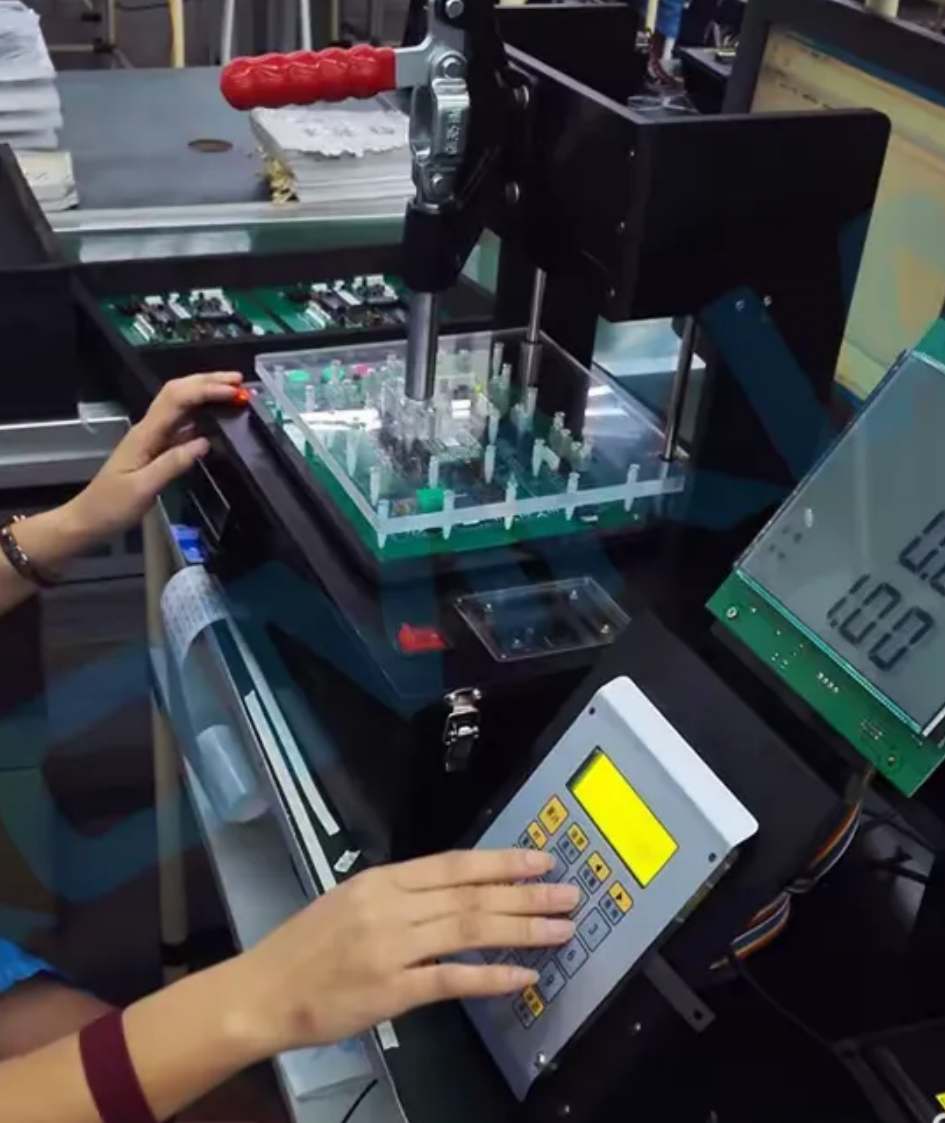
Post-Delivery Guarantee Stage: After assembly, full-function testing is performed, such as ICT in-circuit testing (to check circuit connectivity), FCT functional testing (to verify the actual performance of the product), and aging testing (to ensure long-term stability); after passing the test, finished product processing is carried out, including anti-static packaging and label printing, and finally a complete test report and material traceability sheet are attached for delivery.
2. Turnkey vs. Traditional Decentralized Model: What's the Gap?
Many people hesitate between "choosing turnkey or coordinating the supply chain yourself." We use an intuitive comparison to help you decide:
Communication Cost: Turnkey service offers one-on-one dedicated coordination; any issues can be resolved by contacting a single service provider. The traditional model requires coordinating with more than 3 suppliers, leading to repeated communication and extremely low efficiency.
Delivery Cycle: Turnkey services optimize the entire process collaboratively—small-batch trial production can be delivered in 7-10 days, and medium-batch production in 15-20 days, which is more than 30% shorter than the traditional model. The traditional model has delayed links: for example, after PCB production, you have to wait for components, and after components arrive, you have to wait for assembly scheduling, making the cycle completely uncontrollable.
Quality Assurance: Turnkey services implement full-chain quality control. From PCB production to component procurement and assembly testing, each link has standard processes, strong process compatibility, and the defect rate can be controlled below 0.5%. The traditional model has disconnected links; for example, PCB boards that do not meet assembly requirements or problematic component quality can easily lead to quality loopholes.
Cost Control: Turnkey service providers can reduce component costs by 10-20% through large-scale procurement, while reducing rework losses and labor coordination costs. The traditional model has high decentralized procurement costs and may incur additional delay costs due to disconnected links.
3. Turnkey Isn't for Every Situation—Precise Matching for These Scenarios
While turnkey services are excellent, they aren't universal. Choosing the right scenario maximizes their value:
Suitable Scenarios: Prototype verification for electronic R&D teams, small-batch trial production, medium and small-batch mass production of consumer electronics and industrial control modules, start-ups without mature supply chain resources, and projects requiring complex processes (such as precision component assembly and high-frequency/high-speed products).
Cautionary Scenarios: Ultra-large-batch standardized products (owning a mature supply chain may have more cost advantages) and projects with special exclusive materials requiring strict confidentiality (needing to confirm the non-disclosure agreement with the service provider in advance).
II. Why More and More Enterprises Choose Turnkey PCB Assembly?
In addition to the comparative advantages over the traditional model, turnkey services have become an industry trend because they accurately address enterprises' core demands—cost reduction, efficiency improvement, quality assurance—and allow enterprises to focus on core businesses.
1. Accelerate Product Launch, Seize Market Windows
In the electronics industry, "time is money." A consumer electronics start-up shared that developing a smart wearable product took 65 days from prototype to mass production using the traditional model, but only 25 days with turnkey services—launching 40 days earlier and successfully seizing early market share.
The efficiency advantages of turnkey services are also reflected in details such as quick quoting (detailed quote within 2 hours), green channels for urgent orders, and seamless connection between prototype and mass production. R&D teams no longer need to distract themselves with supply chain trivialities, allowing them to focus on product iteration and significantly shorten the time-to-market.
2. Control Quality from the Source, Avoid Production Risks
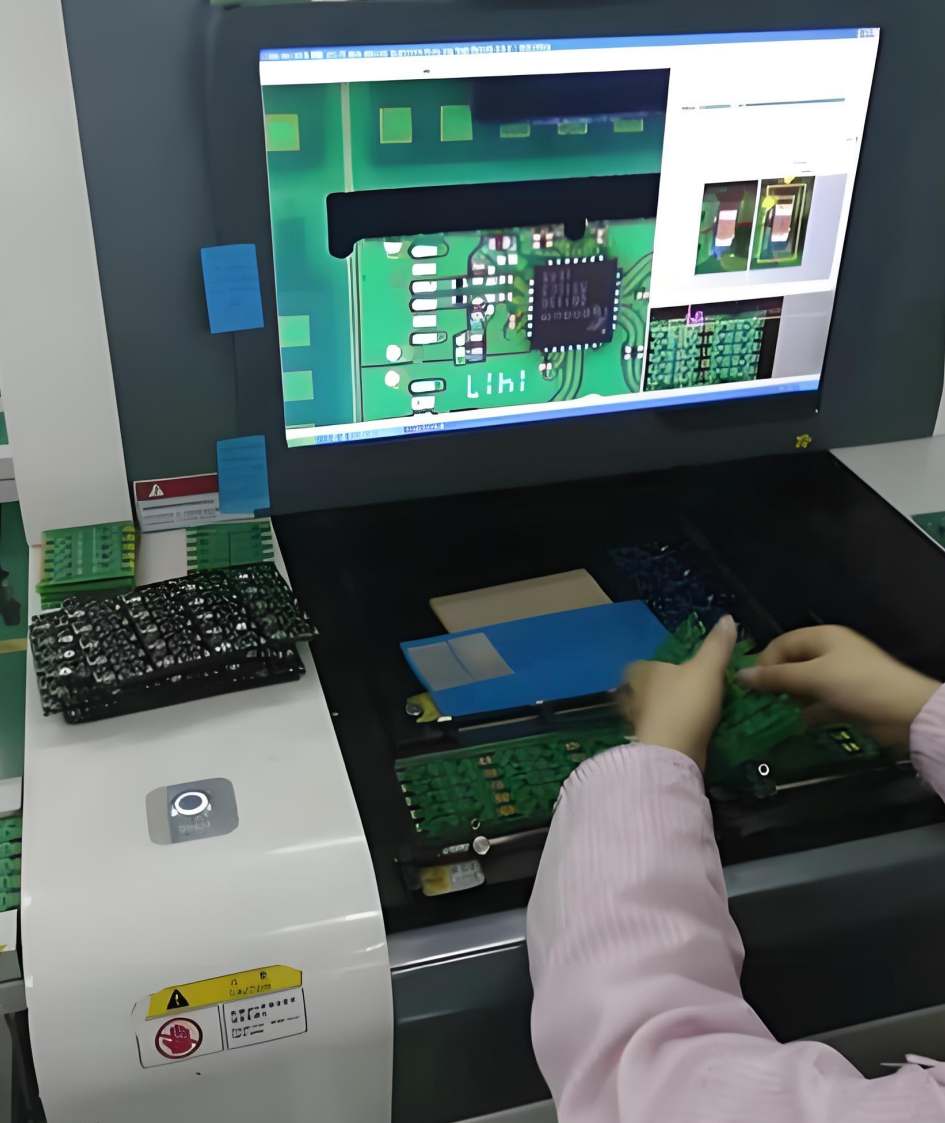
Quality is the lifeline of a product. Turnkey services ensure quality from three dimensions: first, supply chain guarantee—sourcing from official/authorized distributors to eliminate counterfeits and defective products, with full batch traceability for all materials; second, process guarantee—using high-precision placement machines (placement accuracy ±0.03mm) and professional engineering teams to optimize processes, combined with AOI automatic optical inspection and X-Ray testing (to check hidden solder joints such as BGA) to ensure assembly precision; third, compliance guarantee—meeting international standards such as IPC-A-610, RoHS/REACH, and providing exclusive compliance solutions for automotive and medical-grade products.
3. Save Time and Effort, Focus on Core Businesses
For many R&D-oriented enterprises and start-ups, supply chain management is not a core strength and can even distract from core tasks. After choosing turnkey services, enterprises no longer need to hire specialized supply chain personnel or repeatedly coordinate various links. They can track order progress in real time, and the service provider will take the initiative to feedback key nodes. This "peace of mind" allows enterprises to invest core resources in core businesses such as product R&D and marketing, enhancing overall competitiveness.
III. Pitfall Avoidance Guide: How to Choose a Reliable Turnkey Service Provider?
Choosing the right service provider makes turnkey services twice as effective with half the effort; choosing the wrong one leads to more pitfalls. Here are 5 core selection criteria to help you avoid 90% of traps:
1. Check Qualifications and Experience, Prioritize Providers with Industry Cases
First, confirm the service provider's qualifications, such as IPC (Acceptability of Electronic Assemblies) and ISO 9001 (Quality Management System) certifications. For automotive electronics, confirm compliance with IATF 16949; for medical equipment, confirm ISO 13485 compliance. Second, check industry experience—preferably choose a service provider with cases matching your industry (e.g., choose one with industrial-grade product assembly experience for industrial control) to avoid unprofessionalism from "cross-industry services."
2. Verify Supply Chain Capabilities, Ensure Reliable Materials and Fast Response
Components are the foundation of quality. Be sure to ask about the service provider's procurement channels and whether they can provide official authorization certificates. In case of material shortages, response speed and alternative solution capabilities are critical—a good service provider can offer compliant alternative material suggestions within 24 hours. Additionally, pay attention to material inventory and management capabilities, such as free short-term warehousing and capacity reservation for batch orders.
3. Inspect Process and Equipment, Ensure Assembly Precision and Testing Capabilities
Processes and equipment directly determine assembly quality. Understand whether the service provider supports the processes you need (e.g., assembly of BGA, 01005 and other precision components); whether the equipment is advanced (e.g., accuracy of placement machines and reflow ovens, and availability of X-Ray testing equipment). Testing capabilities cannot be ignored—confirm whether they can provide the required testing items (e.g., FCT functional testing, aging testing) and issue complete test reports.
4. Evaluate Service and Response, Clarify After-Sales Guarantee
Good service ensures smooth cooperation. Confirm whether there is a dedicated technical consultant to provide DFM optimization and process consultation; quotation and problem response speed are also important—formal service providers can provide quotes within 2 hours and solutions to problems within 24 hours. After-sales guarantee is even more critical: clarify defect rate control standards and rework policies (e.g., whether defective products caused by non-customer design issues can be reworked or replaced for free).
5. Check Transparency, Reject Hidden Costs
Many people fall into traps due to "hidden costs." When choosing a service provider, be sure to request a detailed quotation to confirm that it includes all links such as PCB manufacturing, material procurement, assembly, testing, and packaging; also confirm whether order progress is trackable and test reports are complete to avoid subsequent additional costs such as "extra fees for testing" or "extra fees for packaging."
Additional Reminder: Targeted Selection Suggestions for Different Needs
R&D Prototypes: Prioritize service providers with strong rapid prototyping capabilities and comprehensive technical support to facilitate rapid iteration and optimization;
Small-Batch Mass Production: Balance efficiency and cost, focusing on flexible scheduling capabilities and support for mixed orders of multiple models;
Large-Batch Mass Production: Focus on production stability, yield guarantee, and long-term cooperation policies (e.g., material price locking, capacity reservation);
Special Industries (Automotive/Medical/Aerospace): Must choose service providers with industry-specific qualifications and compliance experience to avoid compliance risks.
IV. Cooperation Implementation: Correct Steps for Collaborating with a Turnkey Service Provider
1. Demand Communication: Clearly provide the BOM list, Gerber files, product functional requirements, order quantity, and delivery cycle—the more detailed, the better—to avoid subsequent misunderstandings;
2. Program Evaluation: After reviewing the documents, the service provider will offer DFM optimization suggestions, alternative material solutions, and a detailed quotation. Carefully verify this step to ensure all needs are covered;
3. Order Confirmation: Sign a formal contract, clarify key terms such as quality standards, delivery cycles, defect rate compensation, and non-disclosure agreements, and pay the advance payment;
4. Production Execution: The service provider starts purchasing materials, manufacturing PCBs, and conducting assembly testing. Track order progress in real time and request confirmation for key nodes (e.g., first article inspection);
5. Finished Product Delivery: After receiving the finished products, verify the quantity, check the test report, and confirm the product functions normally before completing acceptance;
6. After-Sales Follow-Up: Contact the service provider promptly to handle any issues during use; directly coordinate optimization for subsequent iteration needs.
V. Choose the Right Turnkey Service Provider to Avoid Detours in Production
In summary, the core value of Turnkey PCB Assembly is "full-process integration, worry-free efficiency, and controllable quality," making it particularly suitable for R&D-oriented enterprises, start-ups, and medium/small-batch production enterprises. When selecting a service provider, remember the five core criteria of "qualifications + supply chain + process + service + transparency," avoid low-price traps, and you will find a reliable partner. Service providers that keep up with the trends of intelligence, personalization, and greenization can better provide stable support for enterprises' long-term development.
If you want to quickly implement turnkey PCB assembly, consider
FR4PCB.TECH. As a turnkey service provider focusing on "one-stop prototype + mass production," FR4PCB.TECH has three core advantages: first, exclusive process advantages for FR4 substrates, which can accurately match the PCB needs of most electronic products and ensure assembly compatibility; second, seamless connection between prototype and mass production—unified process parameters from R&D prototype to mass production, increasing transfer yield by more than 10% and shortening delivery cycles by 30% compared to the industry average; third, full-chain guarantee—official authorized procurement channels ensure genuine materials, equipped with high-precision placement equipment and comprehensive testing capabilities, with a defect rate controlled below 500 PPM. Additionally, there is a one-on-one technical consultant to follow up the entire process, with 24-hour after-sales response. Whether it's R&D prototype verification or medium/small-batch mass production, FR4PCB.TECH can provide precisely tailored solutions to make electronic production more worry-free and efficient.
Finally, if you have encountered other problems in turnkey PCB assembly or have questions about selection and cooperation, welcome to leave a message in the comment area to communicate; you can also forward this article to colleagues/friends in need~
VI. Industry Trends & Future Outlook: New Development Directions of Turnkey Services
With the development of the electronics industry towards intelligence, miniaturization, and high precision,
Turnkey PCB Assembly services are constantly upgrading, showing three obvious trends worthy of enterprises' focus:
1. Intelligent Upgrade for Higher Efficiency: AI technology has begun to be widely applied in the entire process of turnkey services. For example, AI-assisted BOM review to quickly identify material compatibility issues; AI-optimized placement paths to improve assembly efficiency; intelligent systems to realize real-time order tracking and automatic early warning of abnormalities, making production management more precise and efficient.
2. In-Depth Personalization to Adapt to More Scenarios: The demand differences between different industries and products are increasing. Turnkey service providers have begun to launch more targeted exclusive solutions. For example, providing custom assembly processes resistant to vibration and high temperature for the high reliability requirements of automotive electronics; creating full-process traceable exclusive services for the compliance requirements of medical equipment; optimizing precision component assembly and micro PCB manufacturing processes for the miniaturization needs of IoT terminals.
3. Green Upgrade to Keep Up with Global Compliance Requirements: Global environmental policies are becoming increasingly strict, and green production has become an industry consensus. Turnkey service providers are actively promoting environmental process upgrades, such as using halogen-free solder masks and environmentally friendly substrates to achieve lead-free soldering; optimizing production processes to reduce material waste and energy consumption; promoting the environmentalization of packaging materials to help enterprises achieve full-chain green production and meet global environmental standards such as RoHS and REACH.
These trends not only make turnkey services more adaptable and efficient but also make them an important tool for electronic enterprises to reduce costs, improve efficiency, and enhance competitiveness. For enterprises, choosing a turnkey service provider that keeps up with trends can not only solve current production needs but also lay the groundwork for future product upgrades and market expansion.


