FR4PCB.TECH specializes in high-quality small-batch assembly services. Based on RoHS compliance, it offers full-scenario process capabilities including fine-pitch component mounting, lead-free soldering, and conformal coating, supporting 48-hour rapid turnaround with lead-free SMT as low as $0.02/Joint. Precision and reliability are guaranteed through full-process quality control, adapting to needs across multiple industries. Customized solutions are available via email at info@fr4pcb.tech.
Small-Batch Assembly: The Golden Choice for Electronic R&D Implementation and the Core Logic of High-Quality Delivery
I. Opening: Why Small-Batch Assembly Has Become a Must-Have for R&D and Startups?
In today's electronics industry characterized by "rapid iteration and precise trial-and-error," small-batch assembly is no longer just a "transition before mass production" but a core part of R&D implementation and market validation. Whether it's prototype trial production for consumer electronics, customized production of industrial control modules, or the first product rollout for startups, small-batch assembly meets the core demands of "controllable costs, flexible adjustments, and rapid responses."
However, in reality, many companies find themselves stuck in the "small-batch dilemma": either being overlooked by large factories due to small order volumes, resulting in delivery delays of 7-14 days; or choosing small workshops to cut costs, only to encounter quality issues such as cold solder joints, mismatched components, and non-compliance with RoHS standards, which in turn prolong the R&D cycle and exceed trial production costs. Therefore, "high quality" is the core competitiveness of small-batch assembly—it not only meets the precision requirements of R&D validation but also aligns with the flexible nature of small-batch production, becoming the key for companies to seize market opportunities.
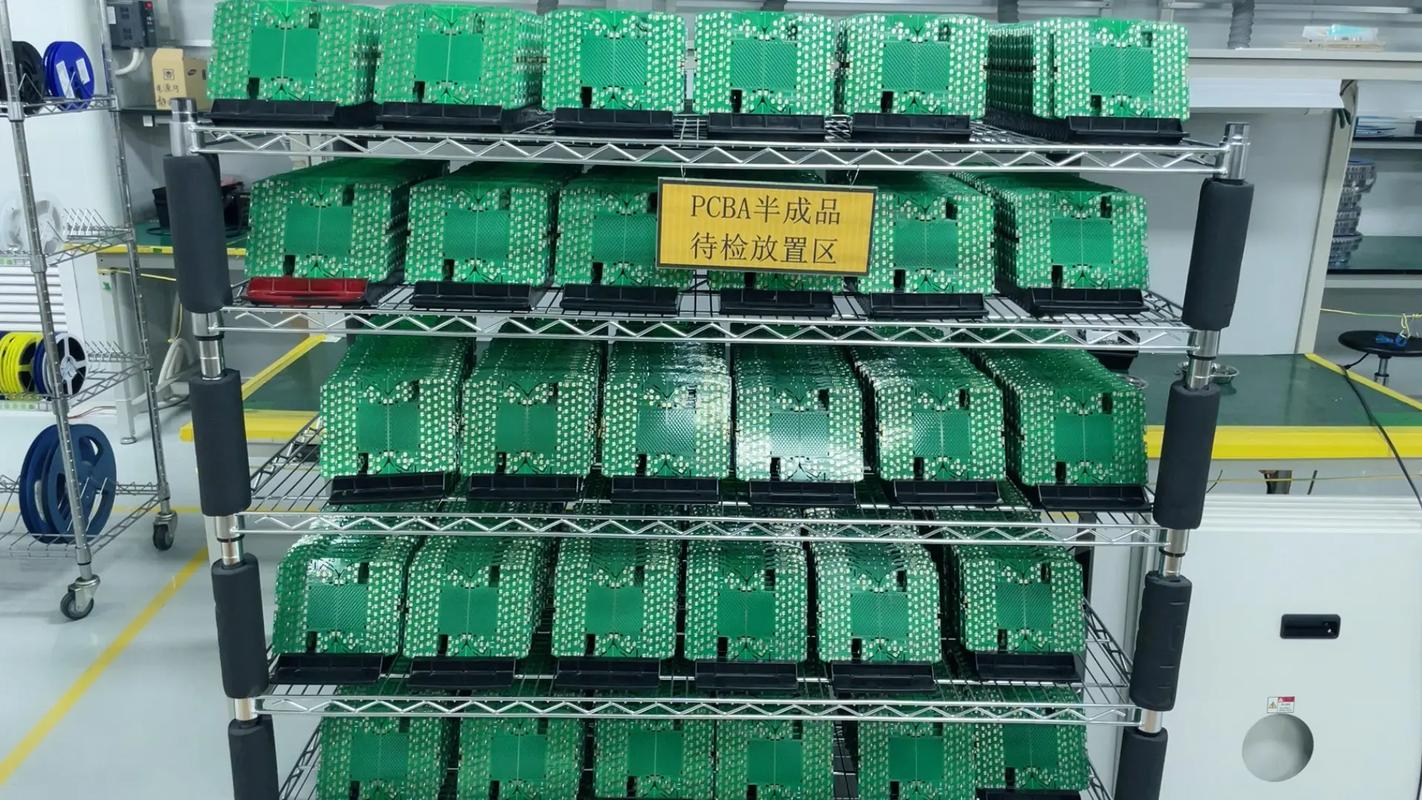
II. Three Core Keywords for High-Quality Small-Batch Assembly: Compliance, Precision, and Efficiency
1. Compliance: The "Basic Threshold" for Market Access
Small-batch assembly is by no means an excuse to "lower standards." Especially for products targeting global markets, compliance directly determines whether a product can smoothly enter the end market. The core revolves around the RoHS 3.0 standard, strictly implementing lead-free soldering processes (using SAC305 lead-free solder), conducting full-process traceability of raw materials such as PCB substrates, components, and solder paste, and ensuring that the content of harmful substances such as lead, cadmium, and phthalates is below the limits through methods like XRF testing and ICP-MS verification. Meanwhile, adhering to IPC-A-600H (PCB standard) and IPC-J-STD-006 (solder standard), third-party compliance test reports are provided for each batch of products, enabling small-batch products to easily pass market access audits.
2. Precision Process: Achieving Mass-Production-Level Precision in Small Batches
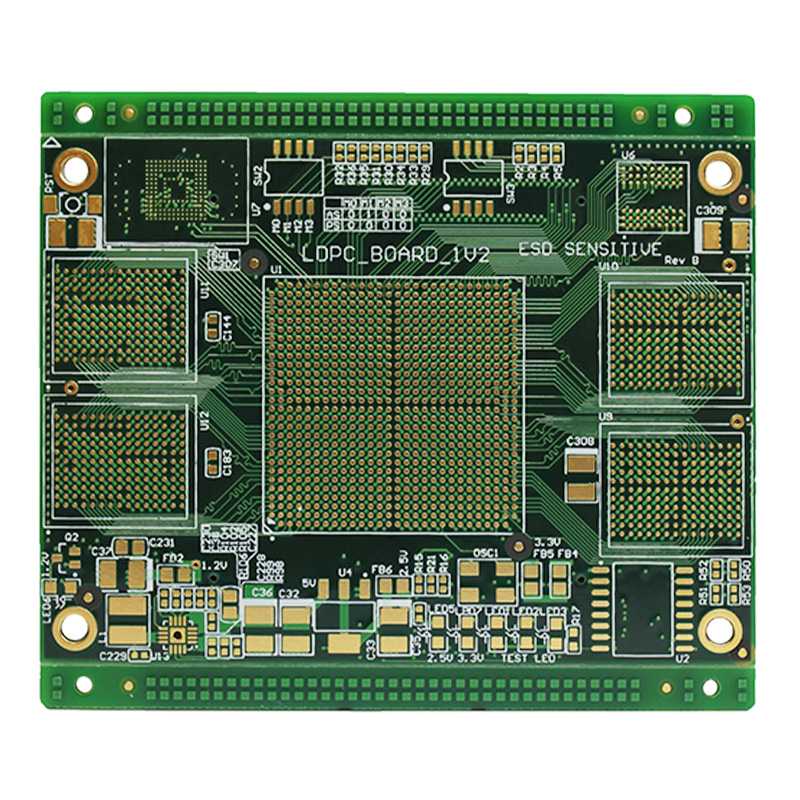
Small-batch assembly often involves fine-pitch components (such as 0201 packages and 0.4mm pitch BGAs) and hybrid processes (SMT + THT), imposing extremely high precision requirements on the process. The core of high-quality services lies in:
- Pre-DFM optimization: Complete design reviews within 2 hours after receiving Gerber files, optimizing parameters such as line widths, pads, and hole diameters to avoid quality issues caused by mismatches between design and process;
- Automated manufacturing processes: Utilizing Panasonic NPM-D3 high-speed placement machines and 8-zone reflow ovens to achieve ±30μm placement accuracy and precise temperature control at 245℃, ensuring sufficient solder wetting and no bridging or cold solder joints;
- Full-process inspection: Implementing "solder joint - appearance - function" triple verification through 3D AOI appearance inspection, X-ray perspective inspection (for BGA bottom solder joints), and FCT functional testing, achieving a first-pass yield (FPY) of 99.8%.
3. Efficient Delivery: The Core Value of Small Batches Lies in "Speed"
One of the core demands of small-batch assembly is rapid implementation, helping companies shorten the R&D iteration cycle. High-quality services achieve efficient turnover through "flexible production lines + supply chain collaboration":
- 48-hour rapid response: Compressing the entire process from file review, material preparation to assembly and delivery to 48 hours, far exceeding the industry average of 7-10 days;
- Flexible production adaptation: No need for high mold opening costs, supporting small-batch orders ranging from 10 to 500 sets and flexibly responding to multi-version iteration needs;
- Supply chain guarantee: Maintaining a regular stock of FR4 substrates, commonly used components, and lead-free solder, and prioritizing the allocation of production resources through a digital scheduling system to avoid delivery delays due to material shortages.
III. Core Manufacturing Process Capabilities: The Quality Backing of Small-Batch Assembly
The core of high-quality small-batch assembly lies in the flexible implementation of "mass-production-level process standards." Relying on top-tier SMT factory configurations, FR4PCB.TECH has built a manufacturing process capability that covers all scenarios, ensuring high-precision and high-reliability production for small-batch orders:
1. Component Placement Process: Adapting to All Types of Component Requirements
- Fine-pitch/micro-component placement: Supporting ultra-micro packages such as 01005 (0.4mm × 0.2mm), conventional micro packages such as 0201, and fine-pitch components such as 0.4mm pitch BGAs and 0.3mm pitch QFPs, with a placement accuracy of ±30μm/3σ, solving process challenges in high-density layouts for small-batch R&D;
- Special-shaped/special component handling: Equipped with customized nozzles and visual positioning systems for special-shaped components such as connectors, sensors, and high-power chips, supporting precise placement of special-shaped components with lead pitches over 0.5mm, with a placement yield of ≥99.7%;
- Double-sided placement process: Adopting a process of "first placing side A - reflow soldering - flipping to place side B - secondary reflow soldering," controlling PCB deformation to ≤0.1mm through high-precision flipping equipment, ensuring the welding reliability of products with double-sided component layouts (such as smart modules and small control boards).
2. Soldering Process: Lead-Free as the Mainstay, Adapting to Multiple Scenarios
- Lead-free reflow soldering process: Using an 8-zone independently controlled temperature reflow oven, supporting mainstream lead-free solders such as SAC305/SAC0307, and customizing stepped temperature curves (preheating at 150-180℃, peak temperature at 240-250℃, cooling rate at 5-8℃/second) according to component types (heat-sensitive/high-power) to avoid high-temperature damage to components and control solder joint voiding to within 5%;
- Selective wave soldering process: For SMT + THT hybrid assembly requirements, through customized shielding fixtures, only wave soldering the through-hole component lead areas to avoid secondary heating of SMT components, with a precise soldering temperature controlled at 255±5℃ and a lead wetting rate of ≥95%;
- Manual rework/repair process: Equipped with anti-static rework workstations, for the repair of precision components such as BGAs and CSPs, using a combination of hot air guns and vacuum pick-up tools with a temperature control accuracy of ±1℃ to ensure that component performance is not affected after repair, with a repair yield of 99.5%.
3. Surface Treatment and Protection Process: Adapting to Multi-Environment Usage Requirements
- PCB surface treatment adaptation: Supporting various surface treatment processes such as ENIG (immersion nickel gold), OSP (organic solderability preservative), and HASL (hot air solder leveling). Among them, the ENIG treatment has a gold layer thickness of 0.8-1.2μm and a nickel layer thickness of 5-8μm, meeting the requirements for multiple reflow soldering with lead-free solder and exhibiting excellent corrosion resistance, suitable for harsh environments such as industrial and outdoor settings;
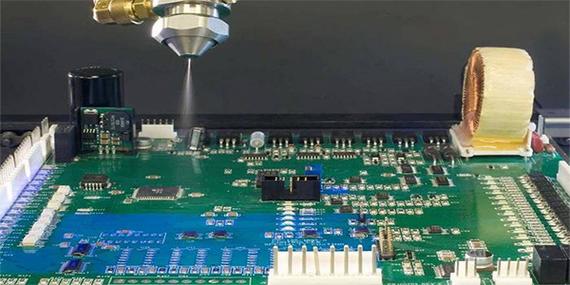
- Three-proof coating process: Offering three types of three-proof paints—acrylate, polyurethane, and silicone—supporting automated spraying and selective coating (avoiding areas such as connectors and buttons), with a coating thickness of 20-50μm, capable of passing the IP65 protection level test, enhancing product resistance to moisture, corrosion, and salt spray;
- Adhesive dispensing and reinforcement process: For products used in vibration environments (such as vehicle-mounted modules and industrial sensors), bottom adhesive dispensing reinforcement is performed on core components (chips, connectors), using thermal conductive/insulating adhesives with a cured shear strength of ≥1.5N/mm², enhancing mechanical stability.
4. Inspection and Verification Process: A Full-Process Quality Closed Loop
- Online inspection: Intercepting defects throughout the "printing - placement - soldering" process through 3D SPI inspection (accuracy ±1μm) after solder paste printing, 3D AOI inspection (8-view imaging) after placement, and X-ray inspection (penetrating BGA/QFP bottom solder joints) after soldering;
- Reliability testing: Supporting sampling reliability verification for small-batch orders, including thermal shock testing (-40℃~125℃, 100 cycles), temperature cycling testing (-20℃~85℃, 500 cycles), and vibration testing (10-2000Hz, acceleration 10G) to ensure product stability under extreme environments;
- Functional verification: Customizing FCT test fixtures according to customer-provided test specifications, supporting multi-dimensional functional testing such as voltage, current, signal transmission, and communication protocols, with a test coverage of ≥98% and 100% full inspection before delivery.
IV. Technical Implementation of High-Quality Small-Batch Assembly: Full-Process Control from Incoming Materials to Finished Products
1. Incoming Material Control: Eliminating Quality Hazards at the Source
The foundation of the quality of small-batch assembly lies in raw materials. Regular service providers need to establish a strict IQC incoming inspection system:
- Component traceability: Require suppliers to provide RoHS compliance reports and record component batch information through barcode scanning to ensure traceability;
- Substrate selection: Use FR4 glass fiber epoxy resin substrates with a Tg ≥ 130℃, suitable for the high-temperature environment of lead-free soldering, to avoid PCB delamination and deformation;
- Solder and flux: Select SAC305 lead-free solder paste and ROL0-grade no-clean flux that comply with IPC standards to reduce solder joint oxidation and residual contamination.
2. Process Control: Details Determine Reliability
Although small-batch production involves small order volumes, process standards cannot be lowered:
- Real-time process monitoring: Record temperature curves during the reflow soldering process to ensure consistent soldering parameters for each PCB;
- Solder joint reinforcement: Verify the reliability of solder joints through thermal shock testing (-40℃~125℃) to avoid detachment during later use;
- Customized process adaptation: For THT through-hole insertion requirements (such as connectors and electrolytic capacitors), adopt selective wave soldering technology to avoid secondary heating damage to SMT components.
3. Finished Product Inspection: Zero Defects upon Delivery
High-quality small-batch assembly must be "defect-free upon leaving the factory":
- Appearance inspection: Identify appearance defects such as missing components, wrong components, and bridging through a 3D AOI system for all-around scanning;
- Functional testing: Customize FCT test fixtures according to customer requirements to detect core functions such as voltage, current, and signal transmission;
- Compliance and quality reports: Deliver RoHS compliance certificates, AOI inspection reports, and functional test data along with the goods, allowing customers to have a clear understanding of product quality.
V. Application Scenarios: The Value Realization of High-Quality Small-Batch Assembly
1. Consumer Electronics R&D Prototypes
A smart wearable device manufacturer needed 30 sets of small-batch assembly for screen driver modules during the new product R&D stage, requiring delivery within 4 days and lead-free compliance. Through high-quality small-batch services, PCB manufacturing and SMT assembly were completed within 48 hours, with zero defects in AOI inspection and simultaneous delivery of compliance reports, helping the customer quickly complete prototype testing and shortening the R&D cycle by 30%.
2. Customized Industrial Control Modules
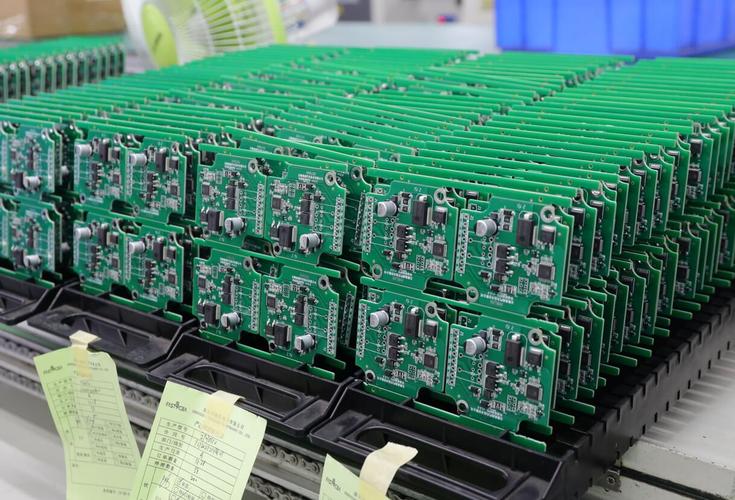
An industrial sensor company needed to customize 50 sets of PLC I/O modules, involving SMT + THT hybrid processes and three-proof coating requirements. The service provider completed delivery within 72 hours through DFM optimization design, selective wave soldering, and automated three-proof coating. The products passed high- and low-temperature tests from -40℃ to 85℃, meeting the reliability requirements of industrial environments.
3. First Batch of Products for Startups
A smart home startup company planned to launch its first batch of 100 smart gateway products with a limited budget and a need for rapid market entry. High-quality small-batch services offered a $0.02/joint lead-free SMT quote and a 48-hour turnover efficiency, helping the enterprise control trial production costs while providing compliance and quality endorsements. The products smoothly passed e-commerce platform access audits and quickly opened up the market.
VI. Pitfall Avoidance Guide: How to Choose a High-Quality Small-Batch Assembly Service Provider?
- Check compliance qualifications: Whether it can provide compliance reports for standards such as RoHS and IPC and whether it has endorsements from third-party testing institutions;
- Inspect process equipment: Whether it is equipped with automated placement machines, 3D AOI, and X-ray inspection equipment and whether it can handle fine-pitch components and hybrid processes;
- Verify delivery capabilities: Whether the standard delivery cycle for small-batch orders is within 48-72 hours and whether it has flexible production lines for adaptation;
- Inquire about cost transparency: Whether it has a clear pricing system (such as pricing per solder joint), no hidden charges, and whether there are price advantages for small-batch orders;
- Request case evidence: Whether it has small-batch service cases in the same industry and whether it can provide actual data on quality and delivery.
VII. Conclusion: Rapid Access to High-Quality Small-Batch Assembly Services
For R&D enterprises and startups, high-quality small-batch assembly is not just a "tool for product implementation" but also "strategic support for reducing risks and seizing opportunities." As a top SMT factory in China, FR4PCB.TECH focuses on small-batch assembly services. With a $0.02/joint lead-free SMT quote, 48-hour rapid turnover, full-process RoHS compliance guarantees, and full-scenario manufacturing process capabilities covering fine-pitch placement, hybrid soldering, and three-proof coating, it has helped thousands of enterprises achieve efficient trial production.
Whether you need R&D prototype validation, small-batch trial production, or customized assembly services, you can contact us via email at info@fr4pcb.tech. Simply provide Gerber files and BOM lists to obtain a free DFM analysis and customized solution, making small-batch assembly both efficient and reliable!


