I. Background and Policy Requirements
The "AQ 1119—2023 General Technical Conditions for Personnel Positioning Systems in Coal Mine Underground" that came into effect on August 20, 2023, explicitly stipulates that coal mine safety production must be equipped with personnel positioning facilities that comply with coal mine safety standards. Starting from 2024, Shanxi Province has taken the lead in requiring that positions such as heading faces must be equipped with electronic fence functions, encompassing various methods including laser radar, UWB, and video analysis. Other provinces like Guizhou have also followed suit. This undoubtedly imposes stricter requirements on personnel positioning systems.
II. Overview of the System Solution
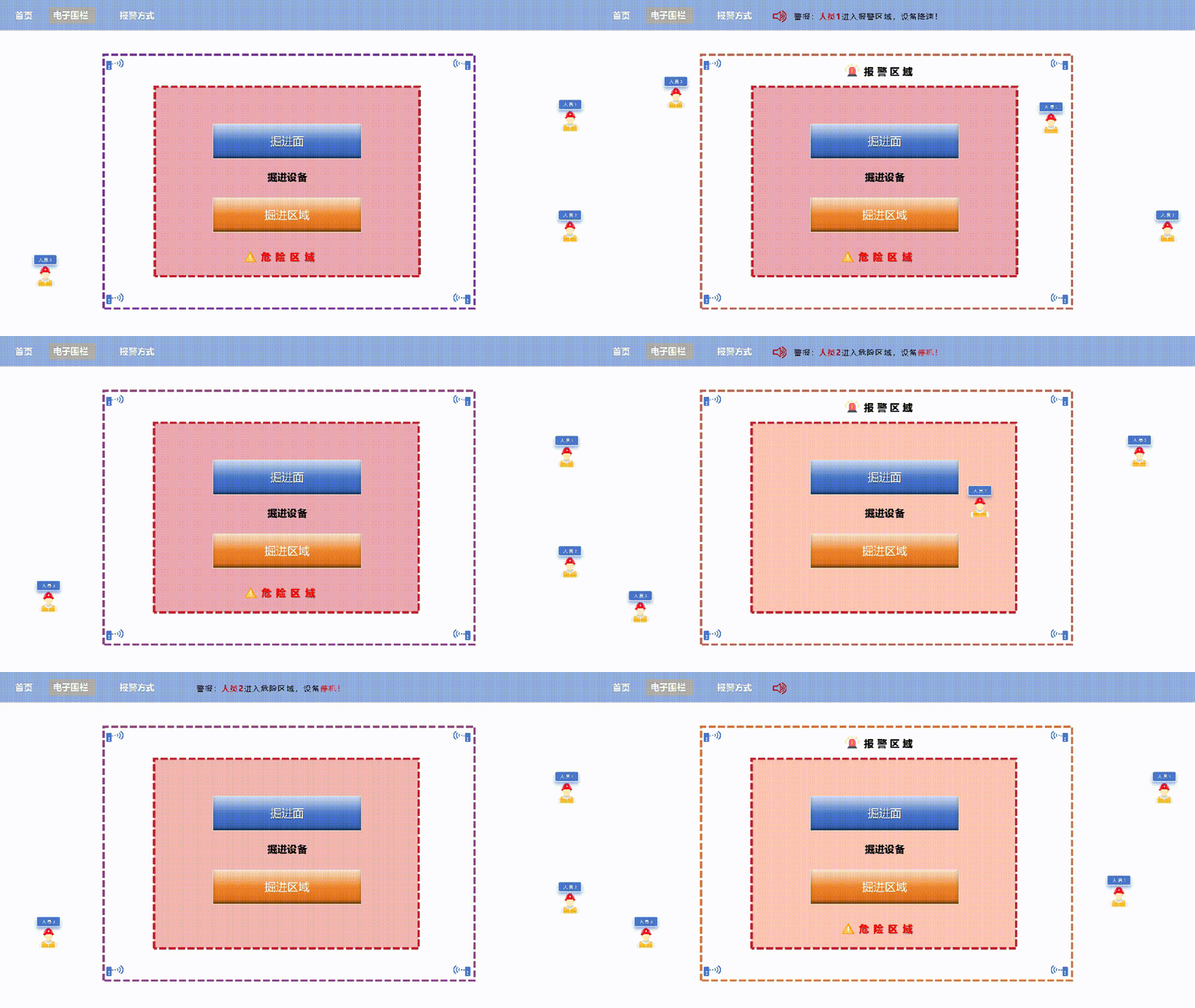
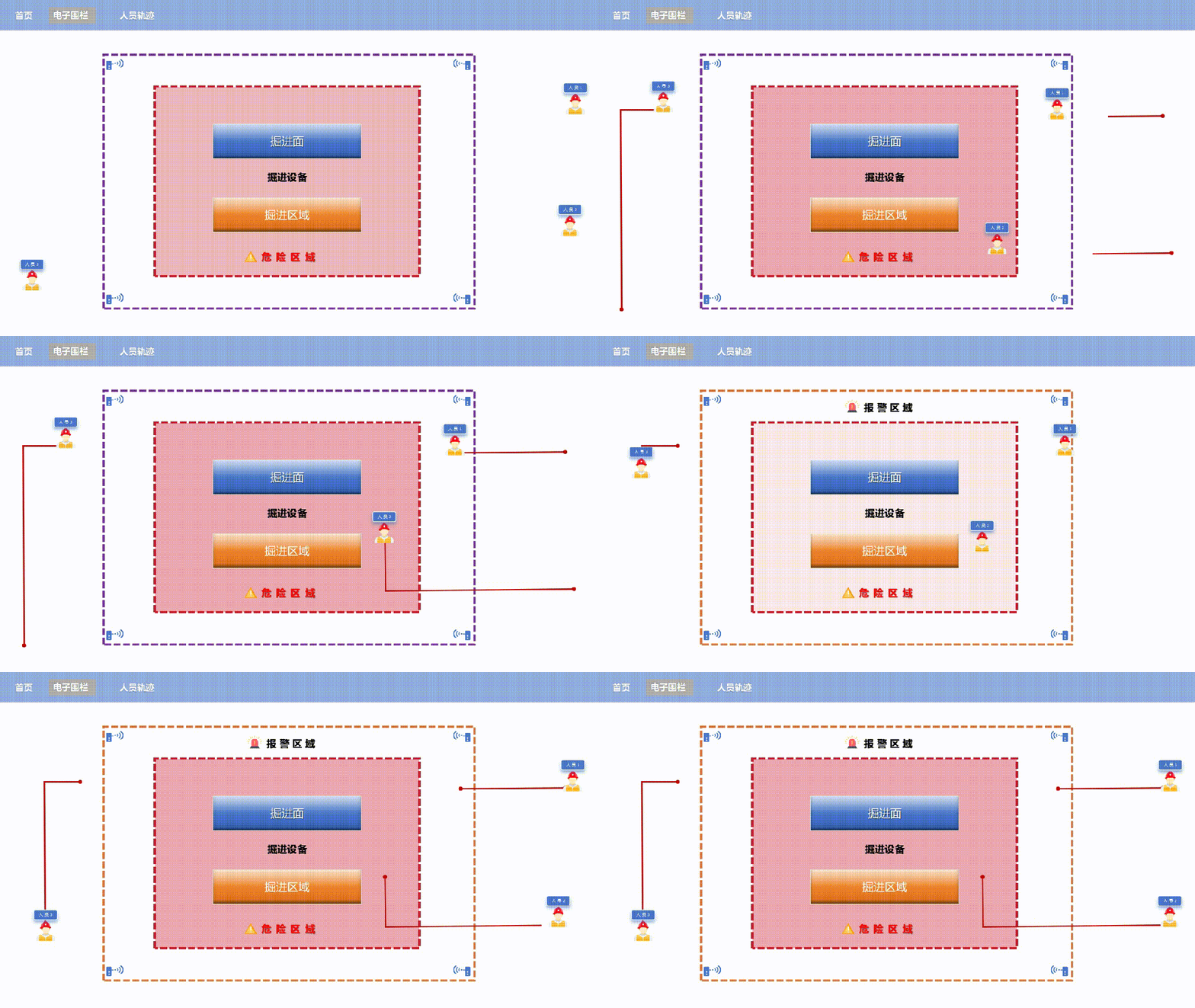
The UWB personnel positioning system developed by FR4PCB.TECH. achieves real-time positioning of personnel and assets by deploying UWB positioning base stations in relevant underground areas and equipping personnel and assets with UWB positioning tags. This system strengthens the control over hazardous areas and effectively prevents safety accidents. The system has an average positioning accuracy of less than 30 cm and a coverage radius exceeding 400 m. Within the coverage radius, the electronic fence function can be freely configured. For example, in the case of a heading face, an immediate alarm will be triggered when personnel enter within 15 m (configurable) of the area, and the equipment will be forced to shut down when they enter within 5 m (configurable).
III. System Composition and Working Principle
System Composition
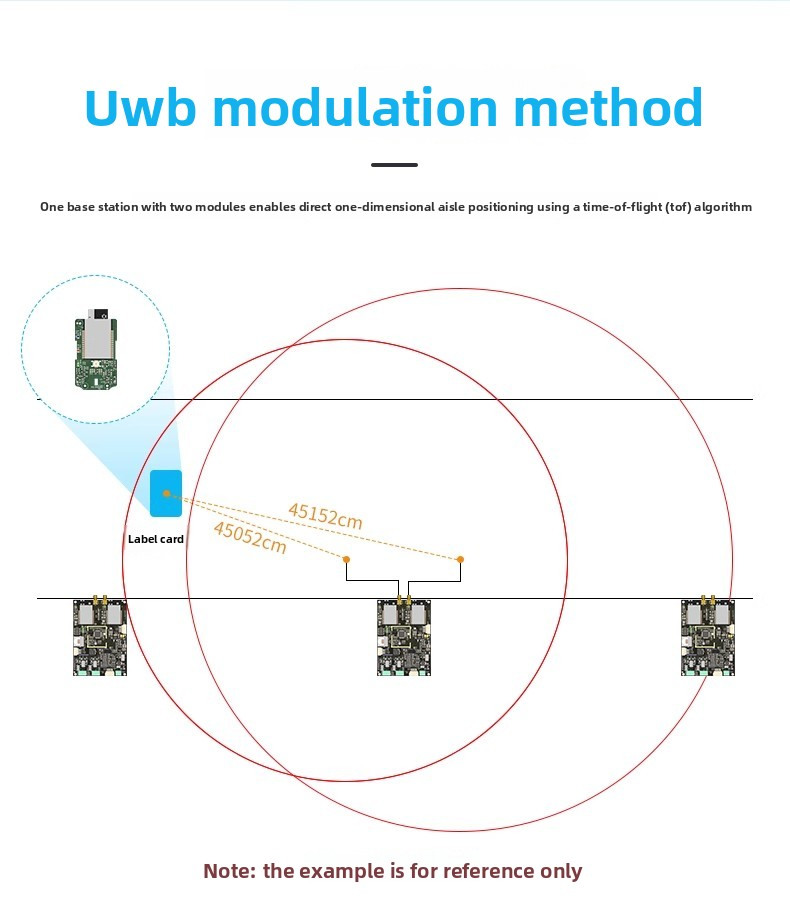
The system is mainly composed of UWB base stations, UWB tags, and communication protocols. Each base station board is equipped with two base station modules. A single base station can achieve one-dimensional positioning, effectively reducing the number of base stations required. Moreover, the base stations can communicate with each other as soon as they are powered on. The base station board interfaces offer options such as TTL/485/Rj45, facilitating connection to various back-end systems. It boasts advantages such as simple deployment, system stability, and cost control.

Working Principle
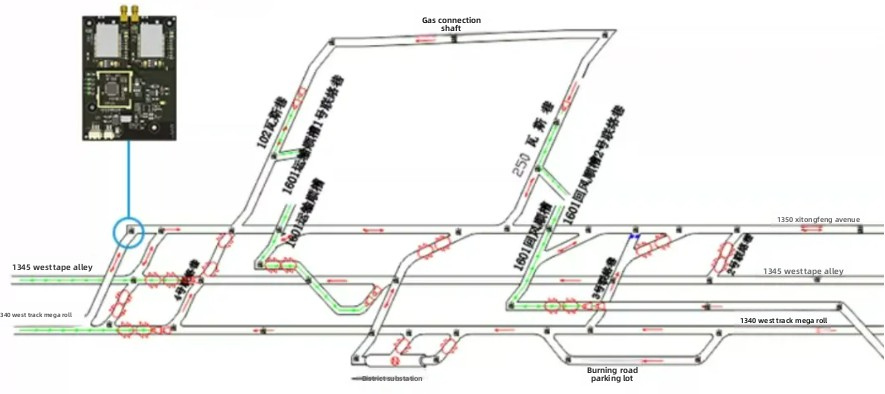
In the tunnel positioning system, the positioning tags worn by personnel or items transmit positional data using UWB pulse signals. The positioning base stations receive these signals and calculate the distance between the tag and the base station by measuring the signal's time of flight. The positioning engine collects distance data from different base stations and tags, then calculates and displays the current position of the tag in real time. It should be noted that coal mine safety standard personnel positioning solutions typically employ one-dimensional positioning. In areas where the mine tunnel has bends or turns, additional UWB base stations need to be installed for positioning compensation.
IV. Solution Advantages
Real-time Personnel Positioning
- Continuously track the positions of personnel, enabling real-time monitoring of personnel movements at any time and place.
- Support querying personnel positions by card number, name, etc., providing a convenient and quick method.
Electronic Fence Function
- Flexibly set hazardous areas (such as heading faces) and alarm rules.
- Implement alarm management for personnel approaching hazardous areas to ensure safe activities of personnel.
SOS Alarm and Paging
- Field personnel can send SOS alarm information to the system via the buttons on the positioning tags, enabling real-time alerts.
- Monitoring room or back-end personnel can call specific individuals or perform a group call through the system.
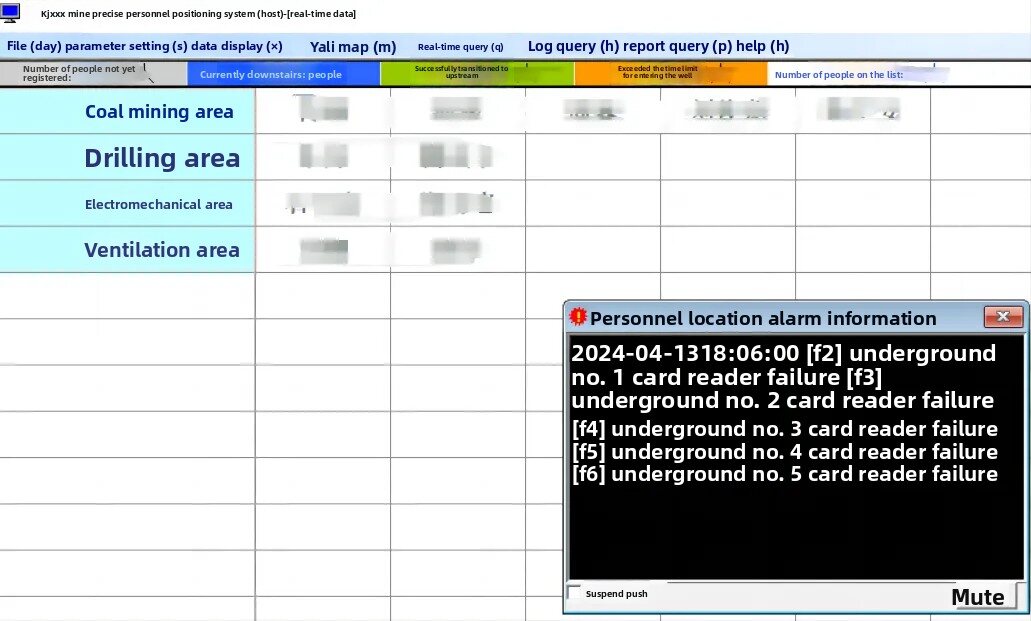
Historical Trajectory Storage and Playback
- Trajectory Storage: Long-term storage of personnel movement trajectories, providing decision-making bases for incident handling.
- Trajectory Playback: Playback of personnel activity trajectories within a specified time period by card number or area.
Intelligent Attendance Coordination
- Based on the output data records, attendance areas can be custom-drawn, and departmental attendance shifts can be set. The system automatically determines cases of lateness and early departure, generates attendance reports automatically, and records clock-in and clock-out times as well as on-duty times.
V. Conclusion
UWB positioning technology offers significant advantages. It features low power consumption, is insensitive to channel fading (such as multipath and non-line-of-sight channels), and has strong anti-interference capabilities. Moreover, it does not interfere with other devices in the same environment. With relatively strong penetration, it can perform positioning in environments where it penetrates a single brick wall (data output requires correction), providing high positioning accuracy and precision. This technology provides a strong guarantee for coal mine safety production.


