-
High-frequency hybrid material PCBs, through multi-material collaborative design, balance electrical performance, thermal management, and cost-efficiency, becoming a core technology carrier for 5G communications, autonomous driving, and defense electronics. Their key advantages are manifested in the following dimensions:
- Material System and Performance Parameters
- Dielectric Property Control: By combining Rogers RO3003™ (Dk = 3.0 ± 0.04) and Taconic RF-35™ (Dk = 3.5 ± 0.05), layer-to-layer Dk gradient distribution is achieved, optimizing signal integrity.
- Loss Control: At 77GHz, the insertion loss of a RO4835™ and FR-4 hybrid laminate is only 0.18dB/cm, a 62% reduction compared to pure FR-4 (data source: 2024 IEEE MTT-S).
- Thermal Stability: Using Arlon 25N™ (Tg > 280℃) as the core material, paired with Rogers RO4450™ prepreg, the Z-axis coefficient of thermal expansion (CTE) is ≤ 40ppm/℃, preventing delamination at high temperatures.
- Technological Innovation and Process Breakthroughs
- Lamination Compatibility: Through plasma treatment and chemical micro-etching, the bonding strength between PTFE substrates and epoxy resin is increased by 50% (measured peel strength > 7.5N/mm).
- High-Frequency Impedance Control: Utilizing 3D electromagnetic simulation to optimize the hybrid stack-up structure, impedance tolerance of ±1.5Ω is achieved at 28GHz (traditional design ±5Ω).
- Laser Processing Precision: CO₂ laser drilling achieves hole diameter errors of less than 8μm, supporting 0.1mm microvia interconnects, suitable for AiP (Antenna in Package) packaging.
- Industry Applications and Data Validation
- 5G Base Station AAU: Adopting a RO4350B™ + FR-4 hybrid solution increases power capacity to 200W/m² (@38GHz), reducing costs by 22% compared to a full RO4000® solution.
- 77GHz Automotive Radar: A RO3003™ and Taconic TLY-5™ hybrid laminate achieves an azimuth resolution of 0.1° and a detection range error of less than 0.5m (full temperature range of -40℃ to 125℃).
- Low Earth Orbit Satellite Communication: Alumina-filled PTFE hybrid material (ε_r = 2.94) enables phased array antenna efficiency greater than 82%, reducing weight by 60% compared to traditional ceramic substrates.
- Reliability Certification and Trends
- Passing MIL-PRF-31032 (military standard humidity and thermal cycling) and IPC-6018B (high-frequency board specialized testing), hybrid material PCBs exhibit an MTBF greater than 1.5 × 10^6 hours in an 85℃/85%RH environment.
- According to 2025 market forecasts, AiP modules using hybrid materials will account for 35% of the 5G millimeter-wave terminal market, driving the PCB material market's compound annual growth rate (CAGR) to 11.2%.
Why choose us?
I. Superior Tech, Quality Assured
We lead in PCB manufacturing with advanced processes like high-precision drilling, fine-line fabrication (min. 50μm line width/spacing), and multi-layer lamination, meeting high-end routing density needs for stable signal transmission. A strict quality system ensures over 99.5% yield via flying probe and AOI tests. Our expert R&D team offers tailored solutions, from material selection to complex circuit design.
II. Diverse Products, Versatile Solutions
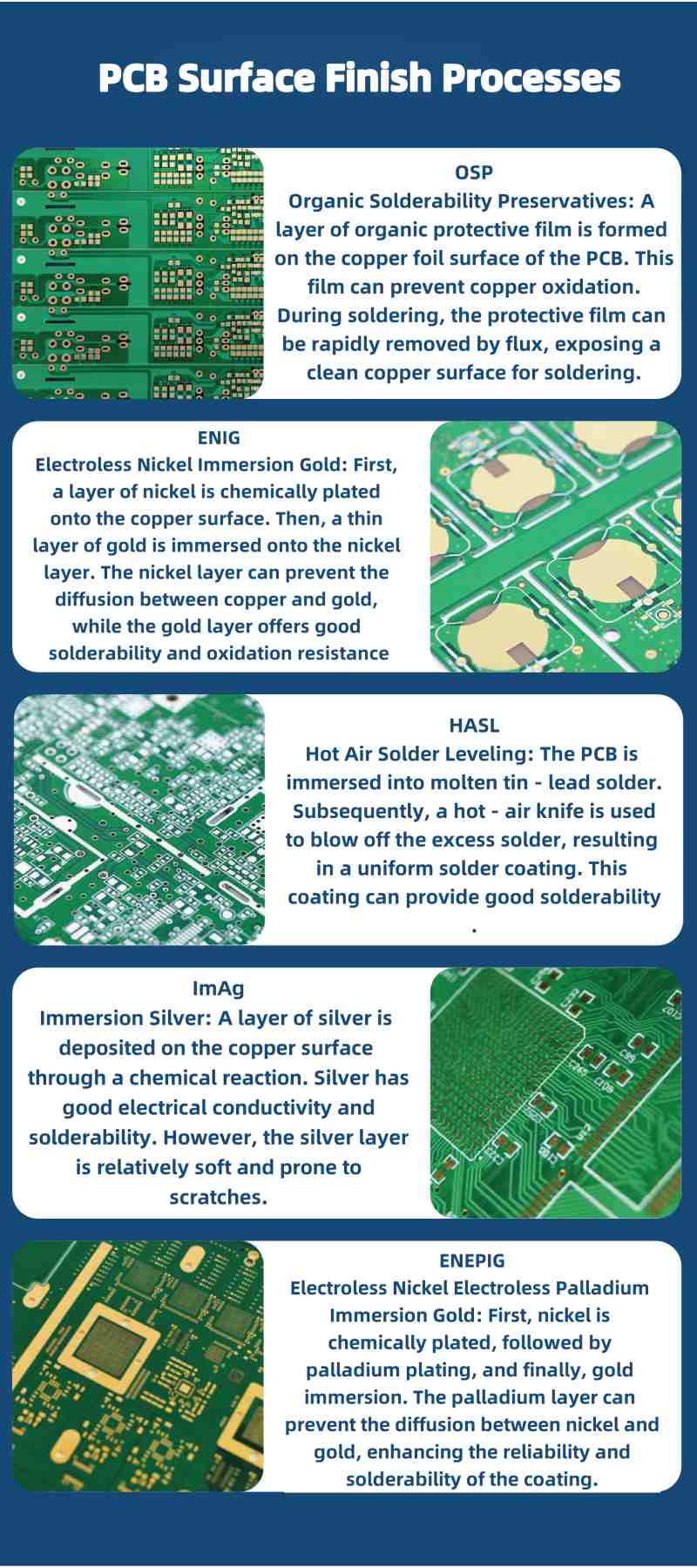
We provide FR-4, high-frequency, metal-core, and flexible boards, each with unique properties for various applications. Mass-produce 2 - 30 layer PCBs for efficient signal and power management. Customize board size, hole diameter, surface finish, and functions to fit specific scenarios.
III. Timely Delivery, Project Assurance
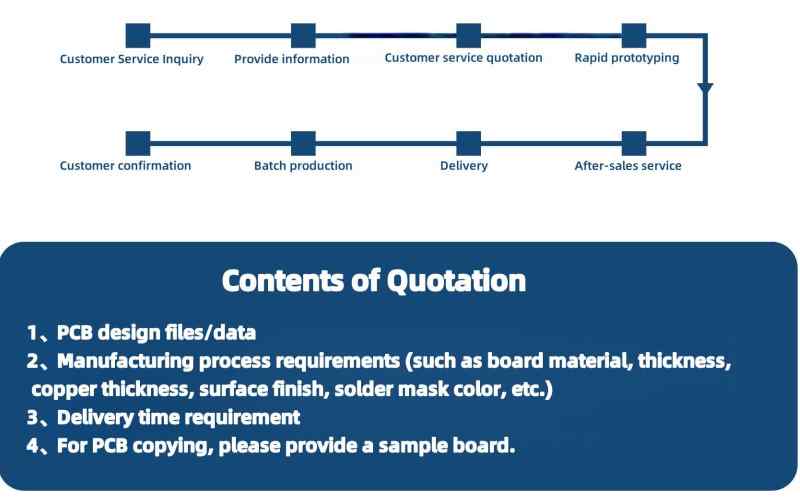
Optimized production and advanced management shorten cycles. We control delivery for double-sided PCBs within [X] days and arrange multi-layer PCBs flexibly. With large capacity and emergency response, we avoid delays. Real-time tracking keeps clients informed.
IV. Competitive Pricing, High Value
Cost-saving measures enable competitive pricing without compromising quality. Transparent quotes detail all costs. Our PCBs excel in price, quality, and delivery, enhancing clients' product competitiveness.
V. Thoughtful Service, High Satisfaction
Our sales team offers pre-sales expertise. Technical support spans design to production. We handle after-sales issues promptly
and conduct follow-ups for continuous improvement.