Space-Grade Rigid-Flex PCB Manufacturing: Technological Breakthroughs and Deep-Space Reliability
Core Technical Parameters
| Parameter |
Commercial Rigid-Flex PCB |
Space-Grade Rigid-Flex PCB |
| Operating Temperature Range |
-55°C~125°C |
-269°C~+150°C |
| Outgassing (TML) |
1.2% |
≤0.50% (Meeting ESA ECSS-Q-ST-70-04C standard) |
Key Features and Breakthroughs
Extreme Environmental Adaptability
- Designed for deep-space exploration and low Earth orbit (LEO) satellites, these PCBs operate stably from -269°C (liquid helium) to +150°C.
- Certified to NASA-STD-8739 and ESA ECSS-Q-ST-70-60C standards.
- Utilize ceramic-filled polyimide substrates (e.g., Arlon 85N series) with a CTE matching titanium alloy structural components (Z-axis expansion rate <15ppm/°C).
- Successfully passed 1,000 extreme temperature cycle tests (-269°C↔+150°C), ensuring zero failures in electronic systems during Jupiter exploration missions.
Radiation Resistance and Vacuum Environment Reinforcement
- Integrated with tantalum metal shielding layers and self-healing dielectric materials, achieving a total ionizing dose (TID) tolerance of 100krad (Si) and reducing the single-event upset (SEU) rate by 90%.
- Total mass loss (TML) due to outgassing in a vacuum is <0.1%, preventing volatile contaminants from affecting optical components.
- Laser-induced graphene (LIG) wiring technology replaces traditional copper foil, enhancing radiation heat dissipation efficiency by 300% and reducing weight by 40% (verified by Starlink V3 satellite test data).
High-Density Signal Transmission and Lightweight Design
- Employ 25μm laser-drilled microvias and blind/buried via stacking technology, enabling 20-layer high-density interconnections (board thickness <2mm) and supporting 40GHz Ka-band signal transmission (loss <0.15dB/cm).
- Atomic layer deposition (ALD) alumina coatings in dynamic bending areas extend atomic oxygen erosion protection lifespan to 15 years (in LEO environments).
- Deployable antenna modules feature a bending radius <3mm and an areal density of 180g/m², contributing to a 30% reduction in overall satellite weight.
Certifications and Reliability Assurance
- Standard Certifications: IPC-6013ES Class 3 / ESA ECSS-Q-ST-70-60C / NASA-STD-8739.4
- Defect Control: AOI + AXI inspection precision of 5μm, with a batch failure rate <50ppm (vs. industry average of 500ppm).
- Lifetime Prediction: Based on AI-accelerated aging models (trained on 100,000+ samples), with 99.98% confidence.
Why choose us?
I. Superior Tech, Quality Assured
We lead in PCB manufacturing with advanced processes like high-precision drilling, fine-line fabrication (min. 50μm line width/spacing), and multi-layer lamination, meeting high-end routing density needs for stable signal transmission. A strict quality system ensures over 99.5% yield via flying probe and AOI tests. Our expert R&D team offers tailored solutions, from material selection to complex circuit design.
II. Diverse Products, Versatile Solutions
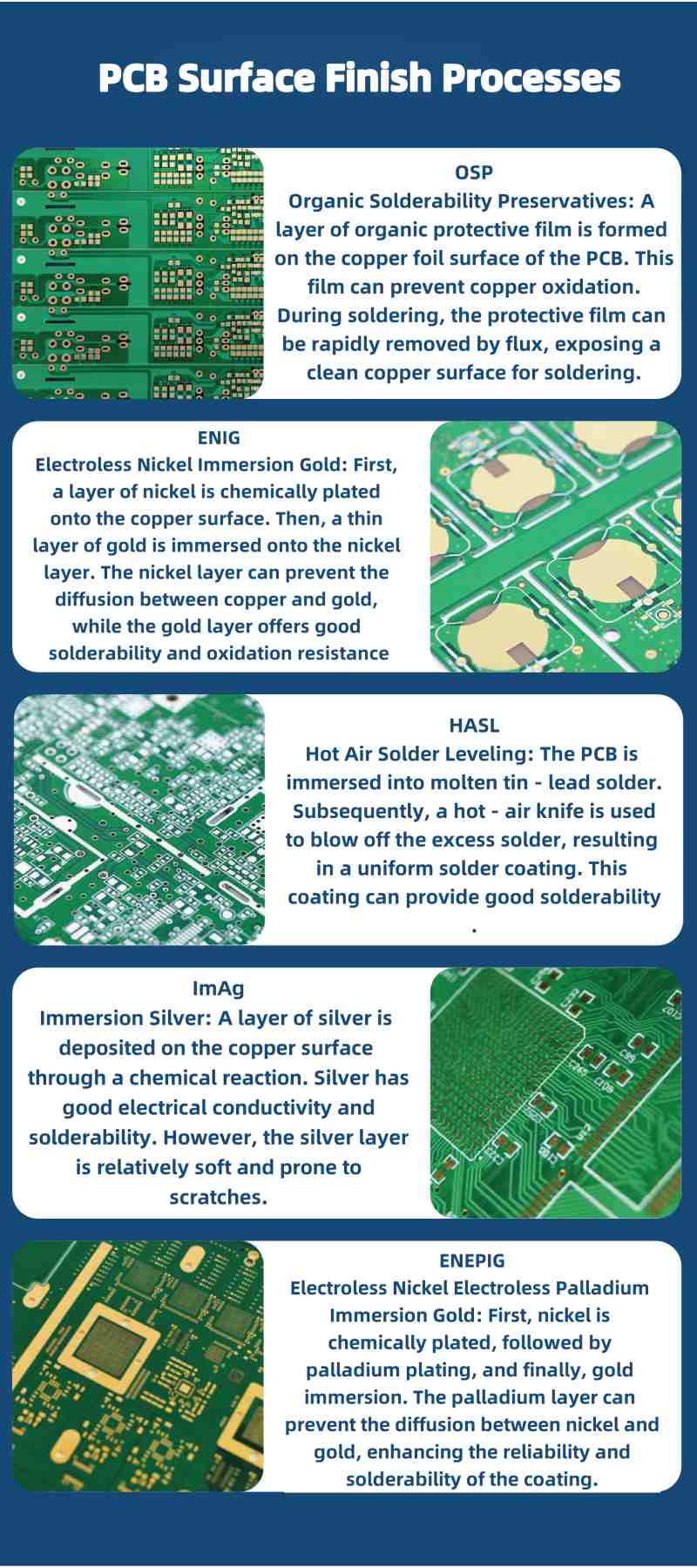
We provide FR-4, high-frequency, metal-core, and flexible boards, each with unique properties for various applications. Mass-produce 2 - 30 layer PCBs for efficient signal and power management. Customize board size, hole diameter, surface finish, and functions to fit specific scenarios.
III. Timely Delivery, Project Assurance
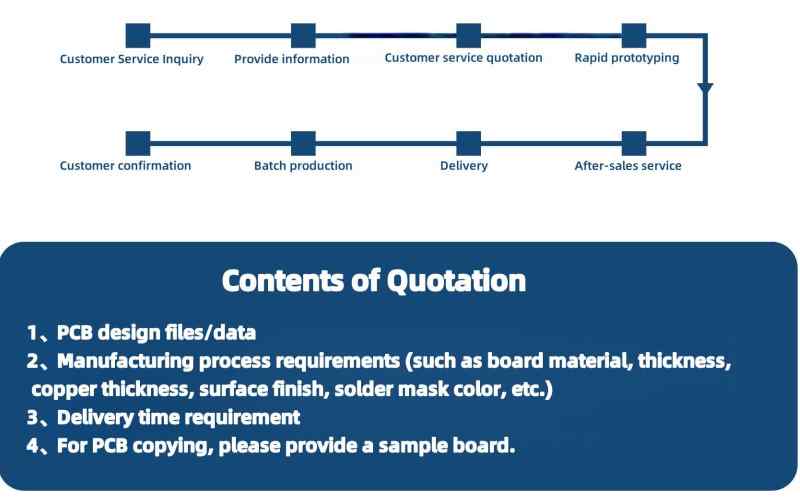
Optimized production and advanced management shorten cycles. We control delivery for double-sided PCBs within [X] days and arrange multi-layer PCBs flexibly. With large capacity and emergency response, we avoid delays. Real-time tracking keeps clients informed.
IV. Competitive Pricing, High Value
Cost-saving measures enable competitive pricing without compromising quality. Transparent quotes detail all costs. Our PCBs excel in price, quality, and delivery, enhancing clients' product competitiveness.
V. Thoughtful Service, High Satisfaction
Our sales team offers pre-sales expertise. Technical support spans design to production. We handle after-sales issues promptly
and conduct follow-ups for continuous improvement.